
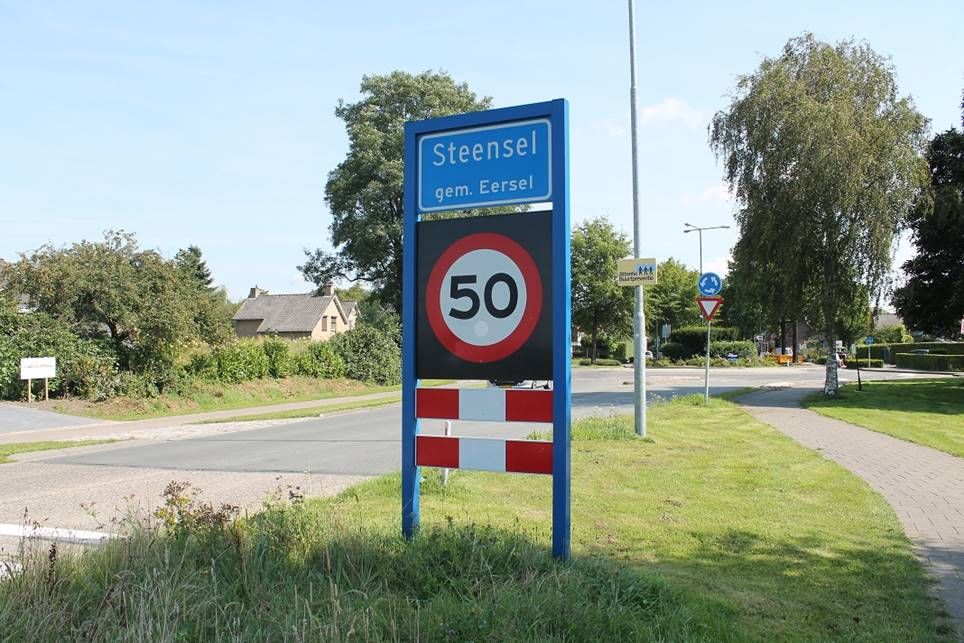
Steensel
In Brabant: Stinsel
Tasty food or snack. - It's just what you fancy!
-
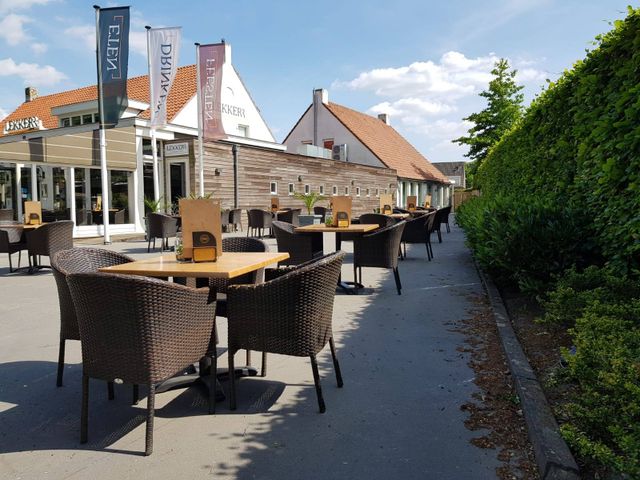
Restaurant Lekkerr
Restaurant Lekkerr is a location where everyone feels welcome to eat surprisingly delicious food, drink pleasantly and party exuberantly. Here you will find a total concept where everyone is welcome to enjoy a pleasant evening out together. At Lekkerr, you can eat well, drink well and party well! The perfect recipe for an evening of total enjoyment in the Kempen region of Brabant.
-
Cafeteria 't Pierke
During the Brabant carnival
this village is called: 'Pieregat'. Not surprisingly, the cafeteria in this picturesque village is named after it.
At Cafetaria 't Pierke you can get
the tastiest fresh fries, a wide range of snacks
and delicious burgers and dishes.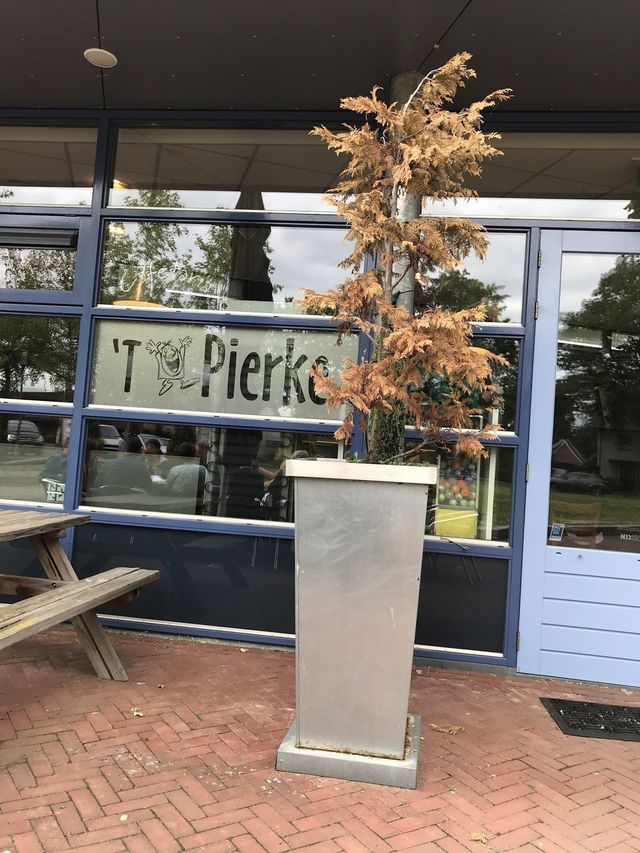
The Wonder of the Steensel Pier!
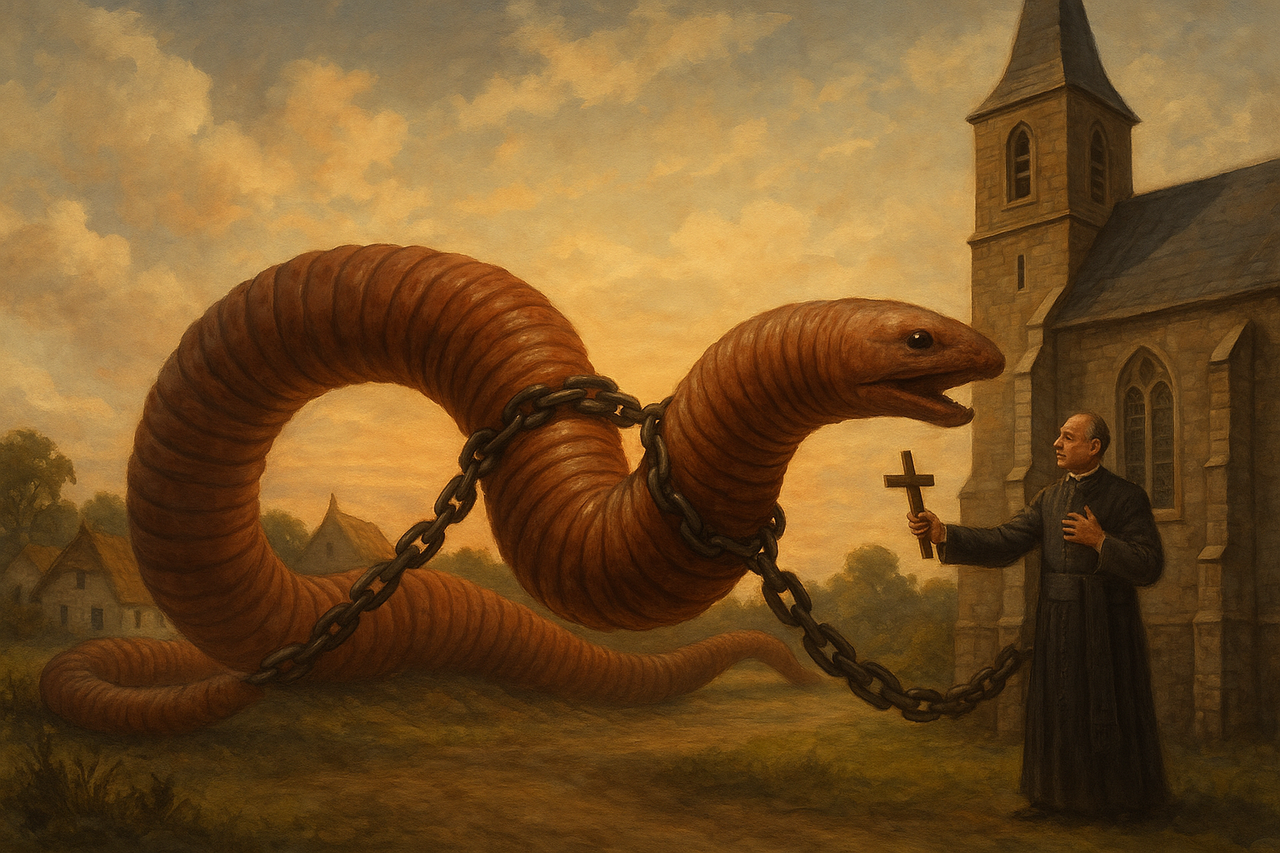
Long ago, when animals still spoke, a heron accidentally dropped a giant pier over the village of Steensel. And not just any pier! This pier fell straight into the Pastor's basin of holy water. Everyone was in an uproar! A devilish creature? A sign from another planet? The Pastor, full of faith, protected the pier and so it ended up in the 'mozegat' (a ditch for dishwater) of the rectory. Leftovers from Pastor's greasy meals caused the pier to grow into a veritable monster, so big that it had to be chained to the church! Centuries passed, until World War II broke out. Hungry, the village decided to slaughter the pier, and what a feast it was! All of Steensel, and even the surrounding villages, enjoyed the pier's meat. It even brought the whole region together in friendship! But the story did not end there! A small piece of the pier survived and grew out again. Although people tried to burn it in 1962, the pier escaped. To this day, it lives hidden in the parsonage garden of Steensel. Just listen carefully when it gets dark; you might hear the rustle or even the clink of his old chain... This story is the reason why Steensel is also called 'Pieregat', or why a specific 'Stinsels Pierebier' is brewed!
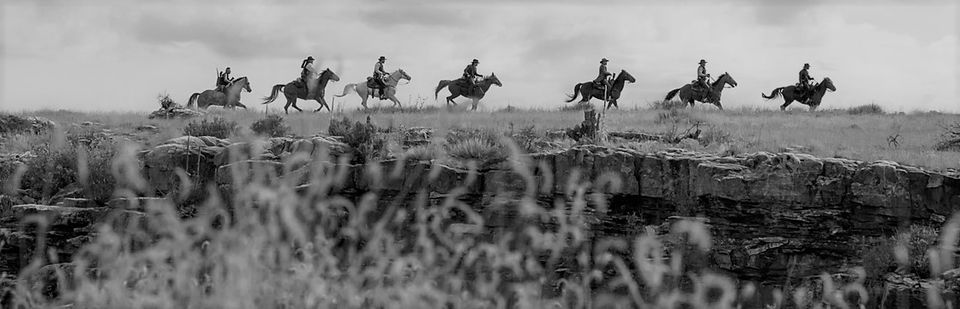
A piece of history - The Gang of Steensel consisted of five men: Joost de Roij, Heyn Coenen, Piet Smolders, Bartel Smolders and Coob van de Weijer.
Gang of Stinsel
In the early 19th century, the villages around Steensel were made unsafe by the Gang of Steensel. This gang consisted of five men and they committed violent burglaries at night, with the wives of these men working as spies to tell where there was something to get. Despite the fact that the police knew this gang, the Steensel gang was able to commit burglaries undisturbed for eight years. Until, on 25 November 1804, they were caught anyway. After a trial in 's-Hertogenbosch, the men were hanged in front of the town hall on 10 May 1805.
The Time Door 800 years Steensel
Have you always wanted to know what has been going on in Steensel during these past 800 years? Then watch the video: 'The Time Door 800 years of Steensel'. An inspiring and informative video that takes you back in the history of Steensel:
Watch the video here
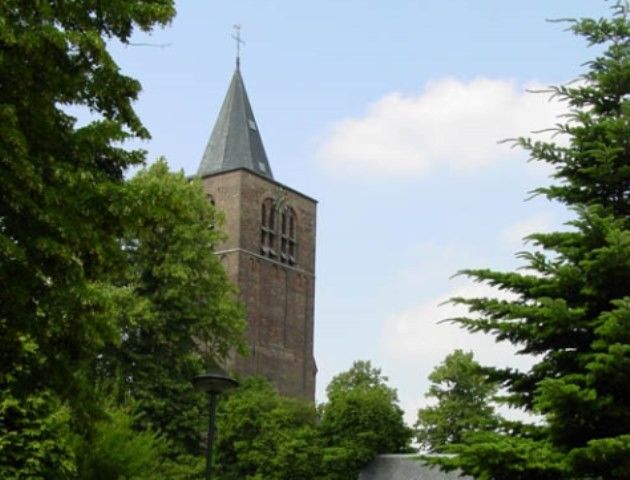
The 'showpiece' of Steensel - Driving from Eersel to Steensel, you can see how the old church tower rises stately and peaceful above the few visible houses and "watches over" Steensel. The tower is Steensel's showpiece and is 38.5 metres high.
-
-
The Toren van St. Lucia
The Steensel church tower, remnant of the medieval St Lucia church, dates from the late 14th century. In the tower hangs the Lucia bell from 1495, one of the oldest church bells in the Kempen region. According to stories, the bricks were brought in with a human chain from brick kiln De Heibloem. The tower is located on the''Gloeiige'' cycle route, between nodes 06 and 61.